About G. H. Glover
Biography
G. H. Glover is a Virginia-based author of atmospheric, historical, psychological, and supernatural horror. A veteran and lifelong admirer of horror fiction and film, he draws inspiration from classic horror, forgotten histories, religious traditions, and the darker corners of human experience. His stories explore fear, isolation, mortality, and the unknown forces that haunt both places and people. He primarily writes atmospheric novellas, drawing upon these influences to explore the intersection of history, psychology, and supernatural dread. His debut novella, A Manor to Rue In, brings these elements together in a story where history and supernatural dread collide.
Why Horror?
As a kid, I grew up reading the Goosebumps books and other popular titles like "Scary Stories to Tell in the Dark", not to mention the Conjuring and Insidious films. What began as a fascination with frightening stories eventually became an appreciation for what the genre can explore.
I think horror is a fantastic genre that allows the author and reader to explore the depths of the human mind, fears, and even the challenges to many people's morality.
My interest in horror is closely tied to my love of history. I am particularly drawn to forgotten or misunderstood periods of the past, and to the people who lived through them. When writing historical horror, I try to consider the social and psychological realities of the time rather than simply placing a modern story in an older setting. Questions of morality, faith, evil, and what people are capable of under extraordinary circumstances are often as important to me as the supernatural itself.
These two themes, mixed in with the often frailty of the human psyche, especially the concepts of paranoia, frustration, anger, and how those who are affected have to come back to society and live. The supernatural may be the source of the terror, but it is ultimately the human response to that terror that interests me most
Memento Mori?
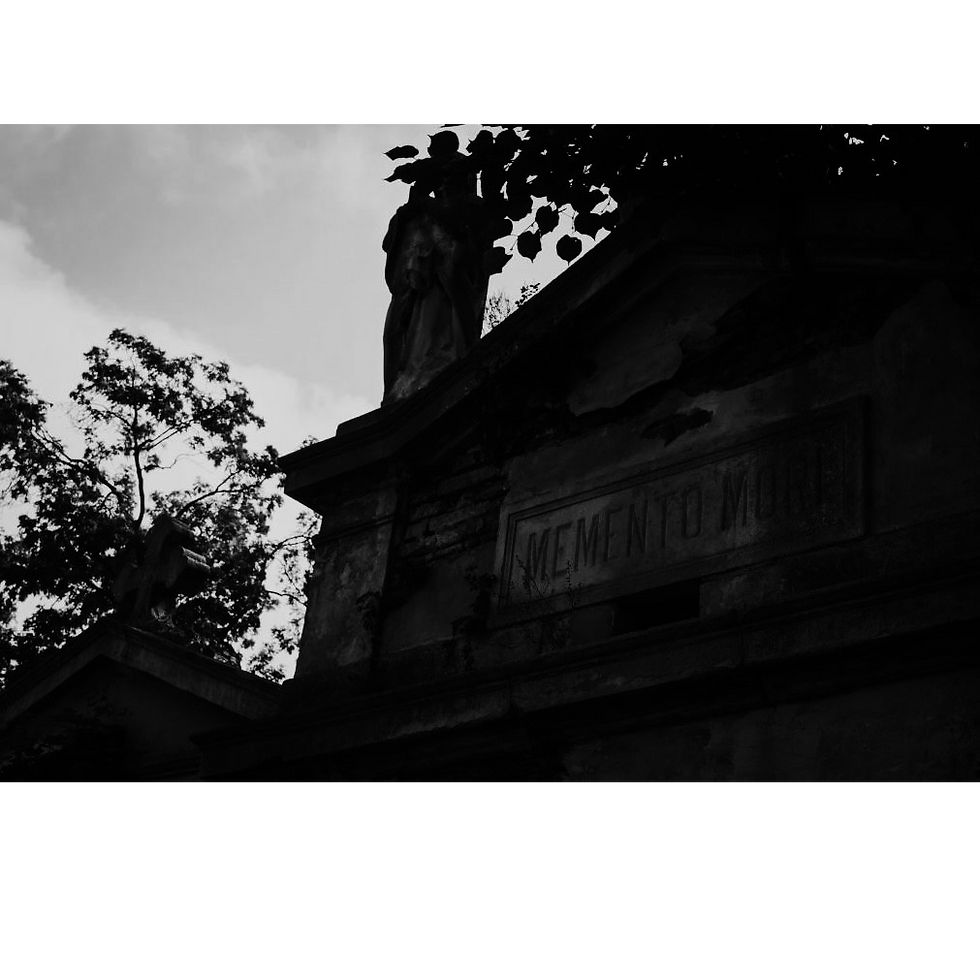
Memento mori, remember that you must die, is an image and phrase that I utilize throughout my writing and authorial work. For me, it serves as a reminder of the inevitability of death and the darker realities that are part of human existence, while also recognizing that they are not the entirety of it.
The idea holds a particular significance within my Catholic faith, where mortality, judgment, suffering, redemption, and the hope beyond death are deeply intertwined. These themes naturally find their way into my writing, sometimes directly and sometimes simply beneath the surface. The supernatural elements of my stories may confront characters with death, evil, or the unknown, but they also raise questions of faith, morality, and what lies beyond our understanding.
Memento mori therefore represents more than an aesthetic motif in my work. It is a reminder that mortality is universal, that darkness is a part of life, and that it is precisely because life is finite that it has meaning.